
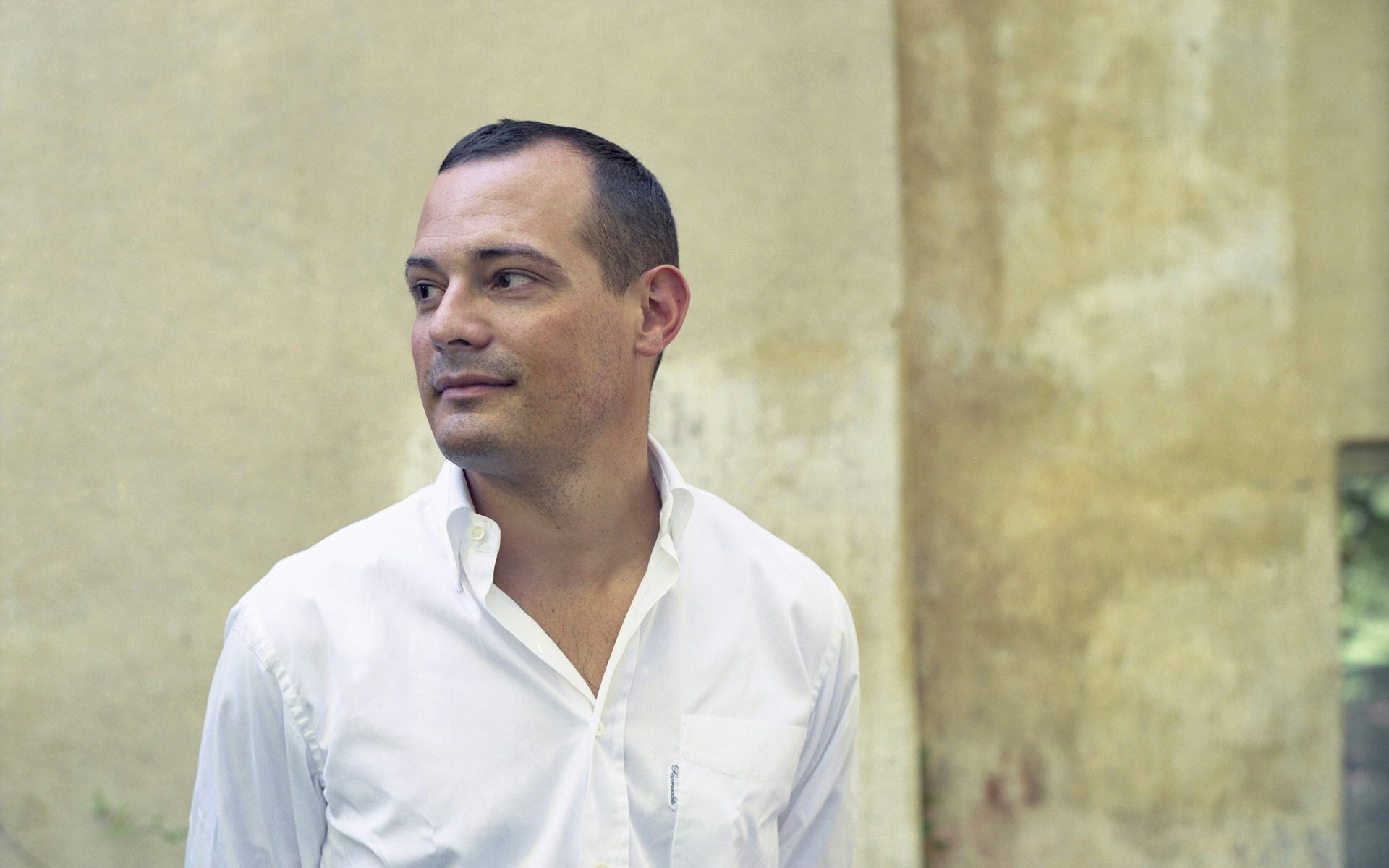
Interview with Alexis Schwarzenbach
While in Afghanistan, Annemarie Schwarzenbach (1908 –1942) not only discovered exotic landscapes and people but also a piece of home. The encounters experienced by the Swiss travel journalist and author now form part of an exhibition at the Library am Guisanplatz. We spoke to her grandnephew Alexis Schwarzenbach.
The Swiss National Library has made 3,000 photographs taken by your great-aunt Annemarie Schwarzenbach available online: what do these historic documents mean to you?
I made abundant use of Annemarie Schwarzenbach’s extensive collection of photographs when writing her biography. I am pleased that these pictures taken by my great-aunt are more easily available now.
Is this art work? Or historical observation?
Neither, really. There are two types of pictures: on the one hand there are the photos taken by a professional travel writer who often used them to illustrate her texts. On the other there are personal pictures of friends, loved ones and relatives.
How important do you think it is to make photographic material for exhibitions available online?
It makes it possible for photographs to be used more easily and in more varied contexts than before.
Will exhibitions still attract visitors in the future? What value and attraction do originals have in today’s world?
Originals are always special and therefore there will always be displays in the future. They cannot be replaced by digital material.
Why did Annemarie Schwarzenbach feel so strongly attracted to the Orient?
Above all, she was in love with Persia, a country she visited four times. She was fascinated by Iran’s culture and landscapes.
What was she looking for and what did she find there?
She was searching for her own identity, which, in a way, she found in The Happy Valley.
Can you relate to her fascination for this region?
Yes. I’ve been there twice myself. Iran is an impressive and diverse country.
Links
- Exhibition at the Library am Guisanplatz
- Über 3000 Fotografien von Annemarie Schwarzenbach frei verfügbar